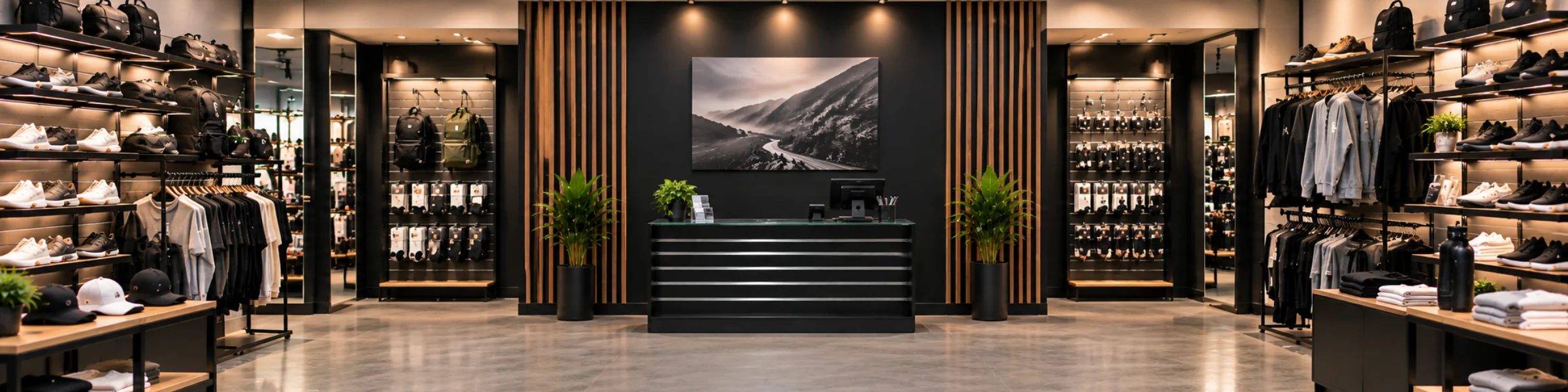
A retail counter does a lot in-store: it handles transactions, displays high-margin products, and anchors the staff workstation. Getting the type, size and material right from the start saves a lot of expensive retrofitting later.
Dinya Shopfittings stocks retail counters in standard widths from 900mm to 1800mm, with glass display and slatwall face options available off the shelf from our Melbourne warehouse.
Showing all 14 results
Showing all 14 results




What is a Retail Counter?
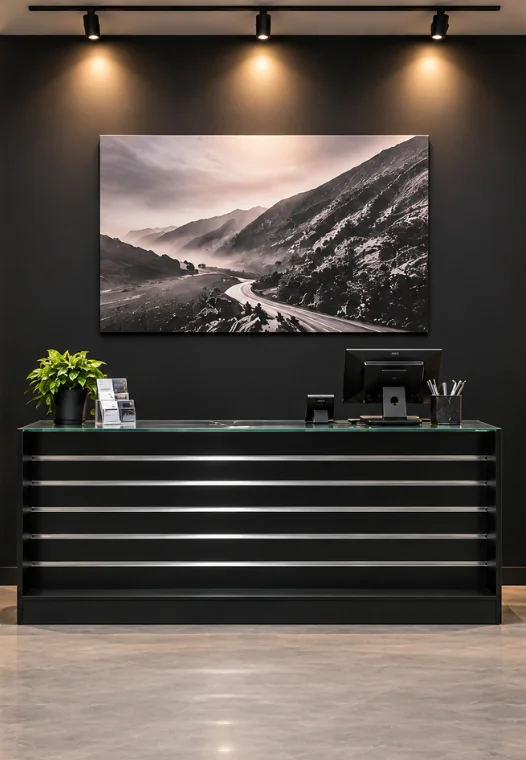
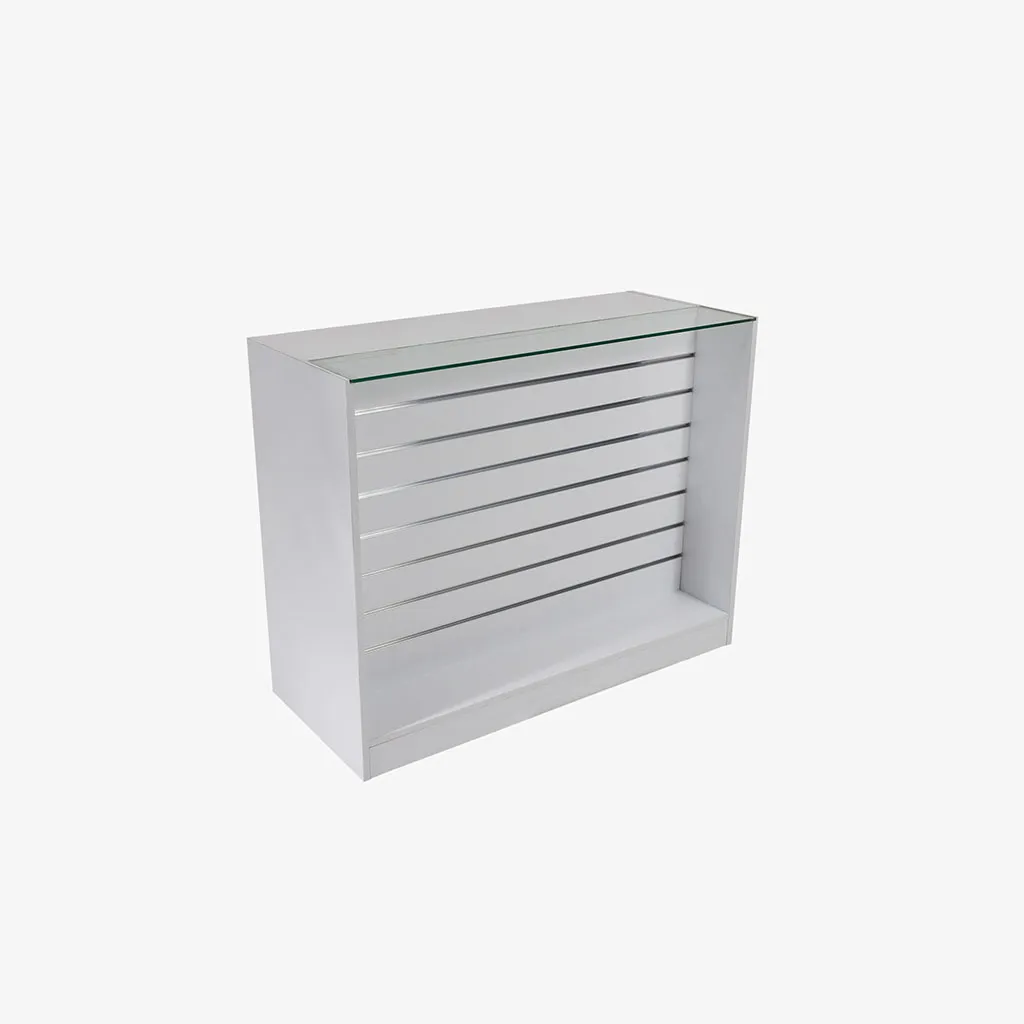
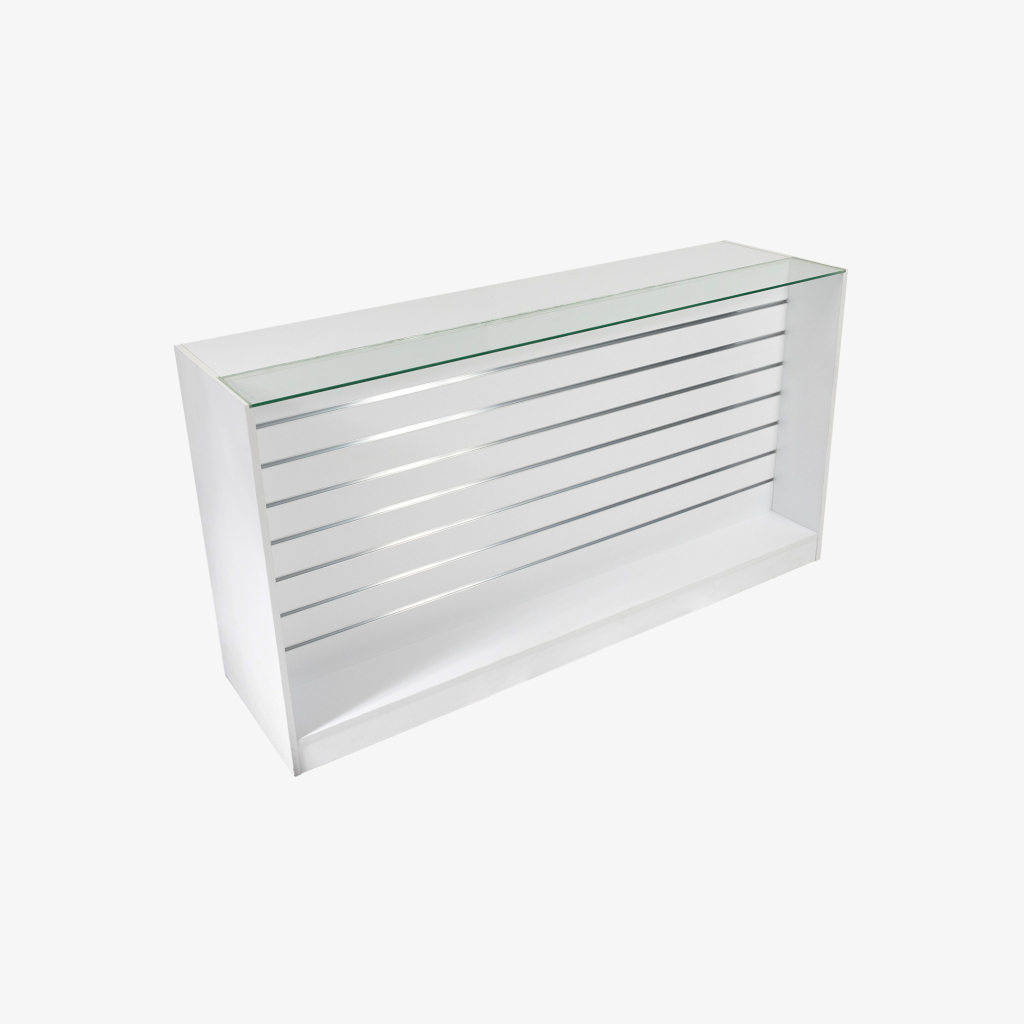
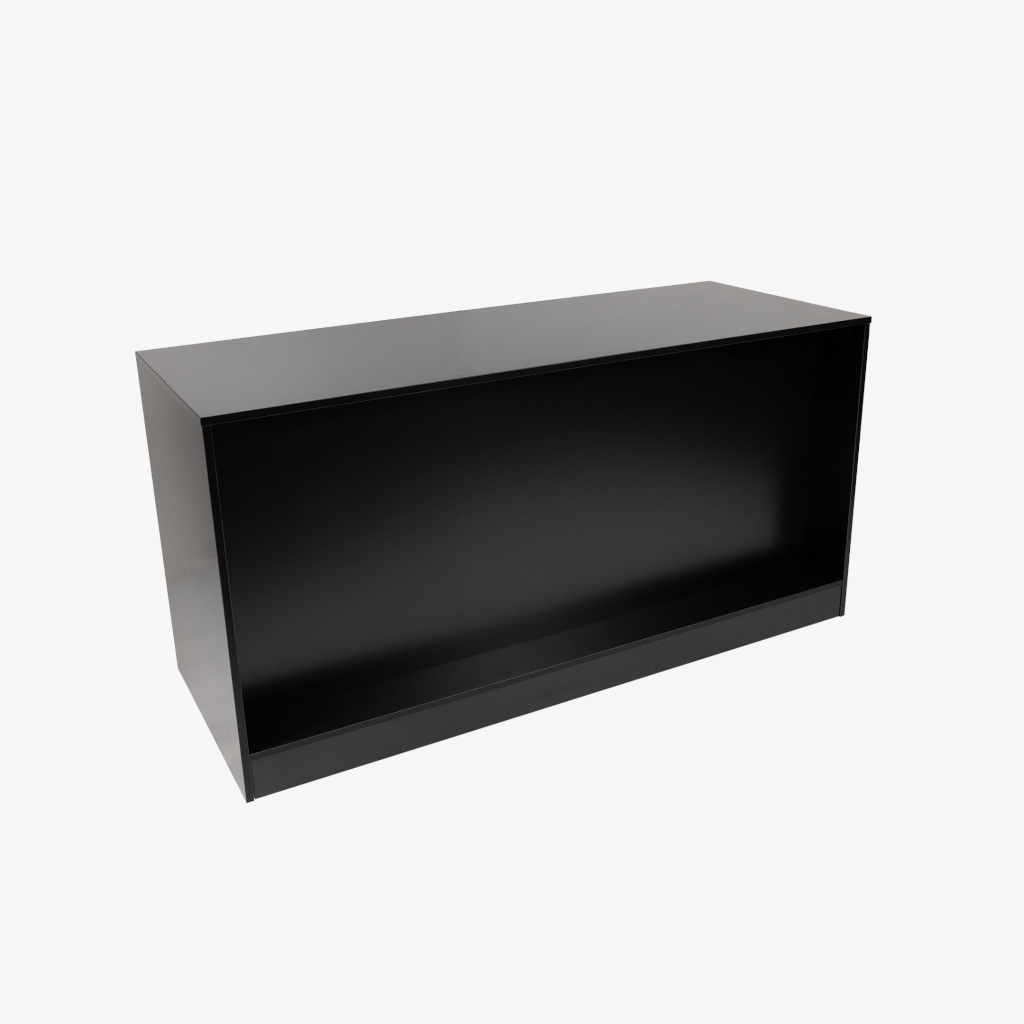
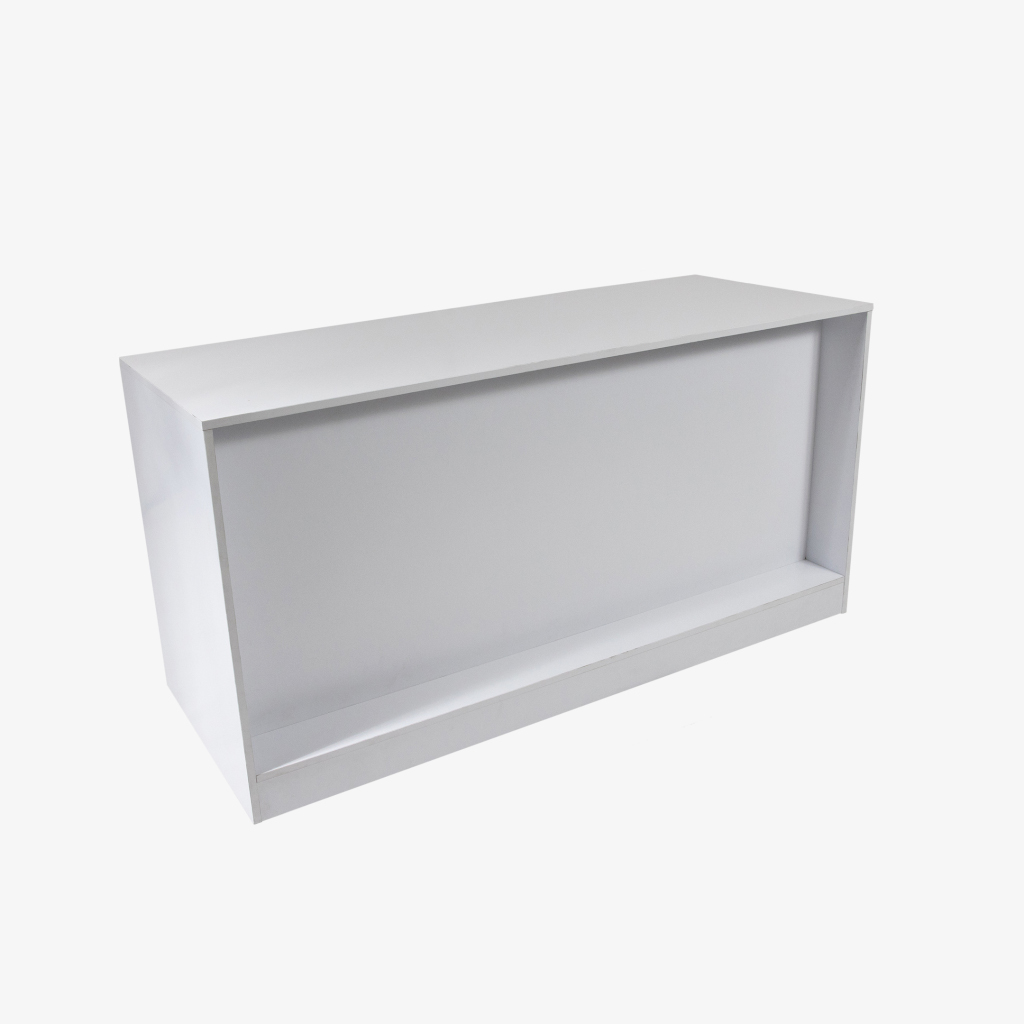
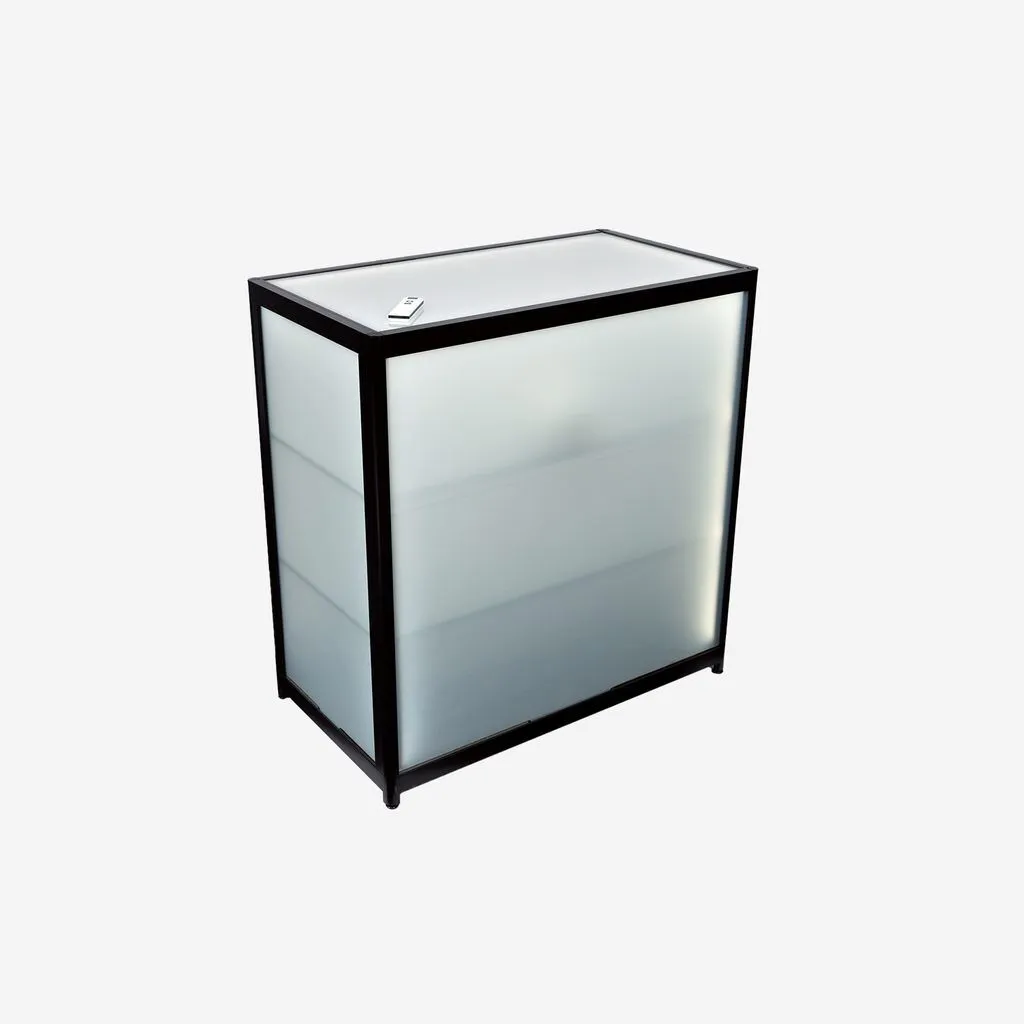
A retail counter is a fixed service fixture that sits between staff and customers, performing three jobs at once: transaction processing (POS terminal, payment device, receipt printer), product display of high-margin or impulse items on or behind the bench surface, and staff workstation functions including storage, bagging, and wrap zone.
It’s main components include:
- The front panel is the customer-facing surface and the most visible branding element in the store.
- The top surface is the transaction and display bench.
- The back and base storage is the staff-side zone for bags, receipt rolls, and returns.
- The kickplate protects the base of the counter from trolleys and foot traffic.
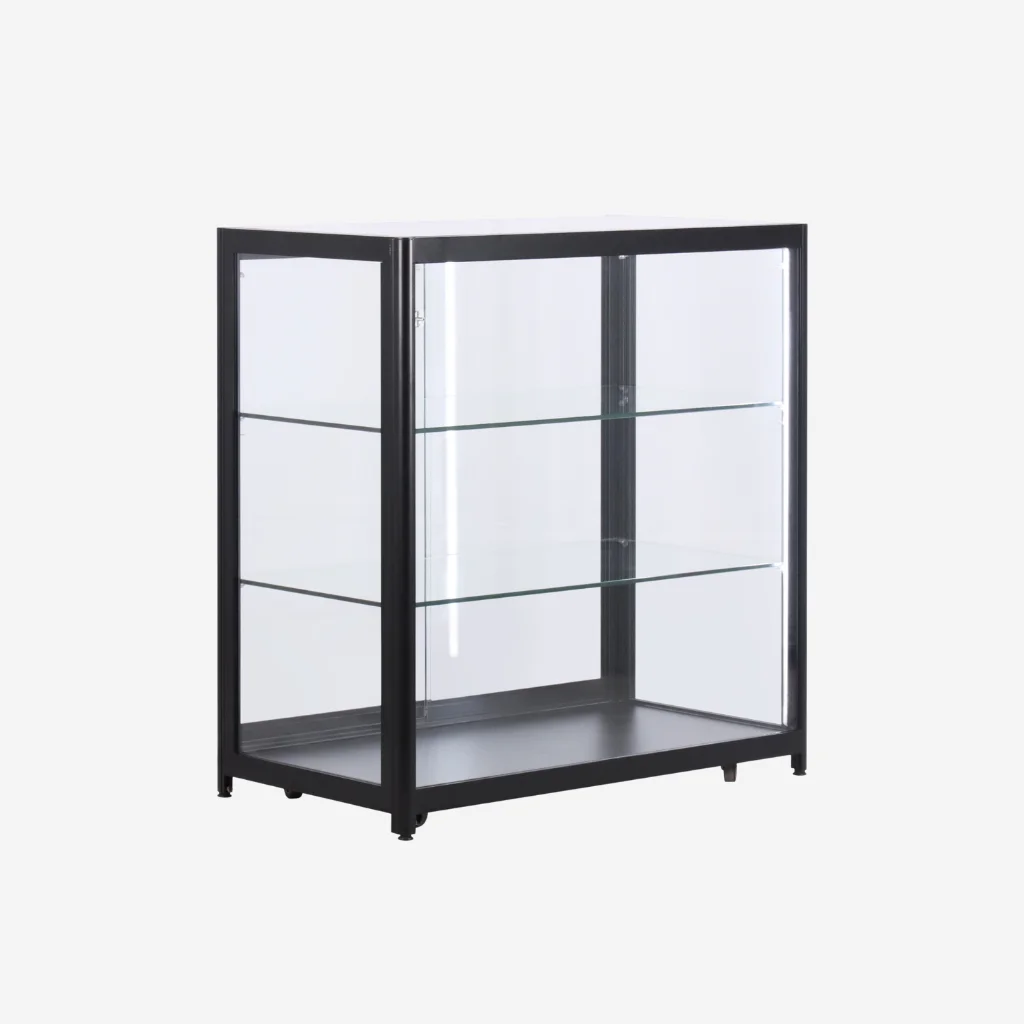
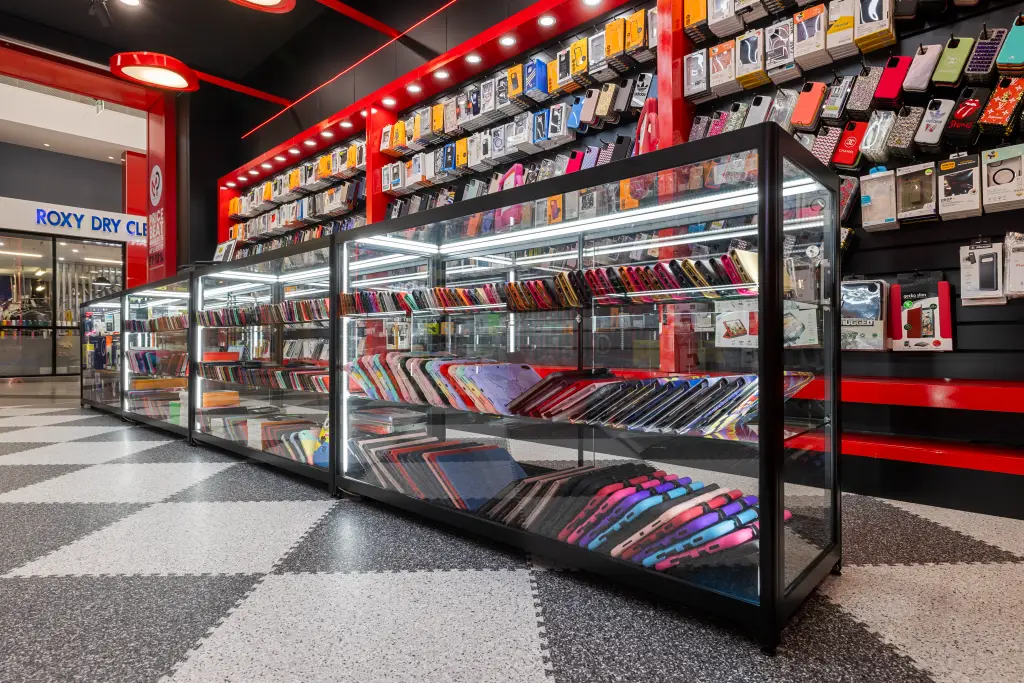
- An optional glass display section showcases a secured product behind or beneath a tempered glass panel.


Why Buy Retail Counters from Dinya Shopfittings
Dinya has been supplying shopfittings Australia-wide since 2012. Retail counters ship from our Melbourne warehouse, with standard sizes available off the shelf.
- Best-price guarantee – we’ll beat any verified competitor quote by 10%. T&Cs apply.
- Fast dispatch: 1–3 business days metro, 3–7 days regional Australia
- Melbourne showroom available for walk-in visits – see the range before you order
- Full fit-out support available: counters pair with our gondola display, pegboard, shelving for convenience stores, supermarket display shelves, and shoe display shelf ranges for a complete store setup
- Can be delivered flat packed or pre-assembled.
Browse the full range in our shopfitting store.
Real-World Retail Success Stories: How Dinya Products Improve the Retail Experience
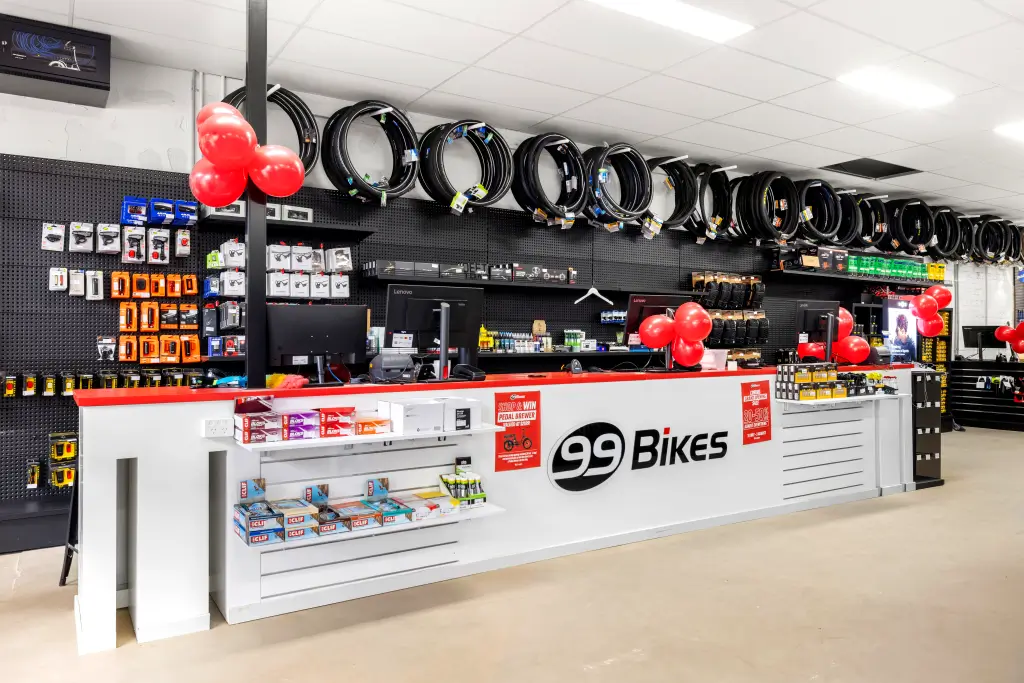
How Dinya Shop Fittings Supplied the Full Retail Fitout for 99 Bikes Coburg
Dinya Shop Fittings successfully delivered a full-scale retail shop fitout for 99 Bikes Coburg, one of Australia’s leading specialty bicycle retailers. The project included gondola shelving, slatwall panels, counters, pegboard workshop walls, hooks, and complete display systems designed to support a high-density, high-performance retail environment.

10 Jun 2026
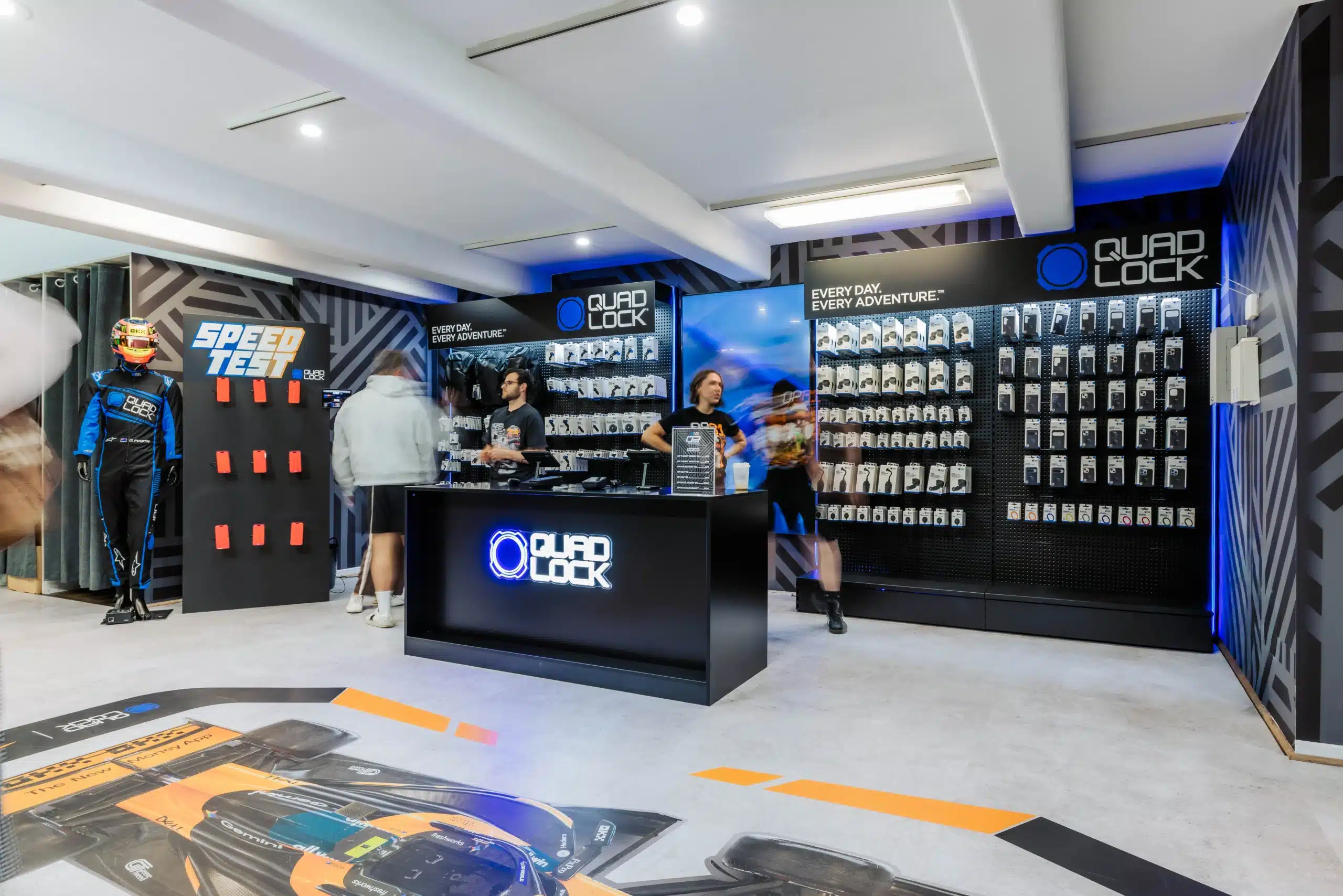
Inside the Quadlock x Oscar Piastri Home Race Pop-Up Store — Event Retail Display, Melbourne F1 Grand Prix
Dinya Shop Fittings supplied the retail display fixtures for the Quadlock x Oscar Piastri Home Race pop-up store at the Melbourne F1 Grand Prix. The fitout included black gondola shelving, a branded retail counter, and a glass display cabinet — a complete temporary retail environment delivered to a permanent commercial standard for one of Melbourne's…
3 Jul 2026
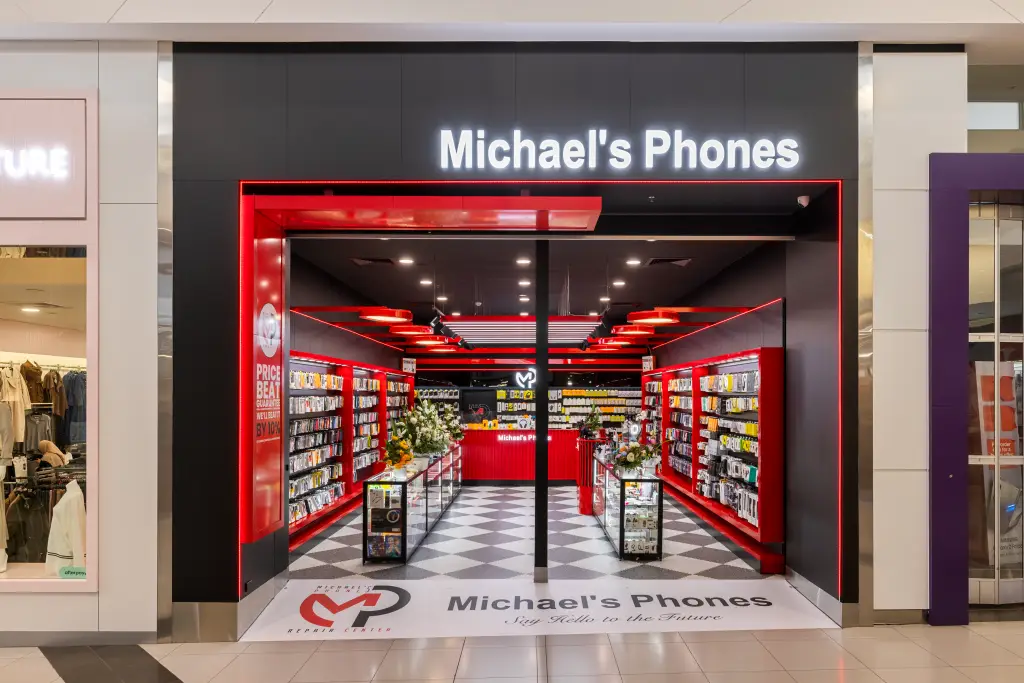
Michael’s Phones Retail Display Fitout In Broadmeadows and Roxburgh Park Melbourne Case Study
Dinya Shop Fittings supplied the retail display fitout for Michael's Phones at Broadmeadows and Roxburgh Park shopping centres in Melbourne — a consistent black slatwall panel, hook, and glass counter system across both locations, installed by a professional shopfitter. The result is a strong, brand-consistent retail presence across two separate shopping centre tenancies that carry…
30 Jul 2026
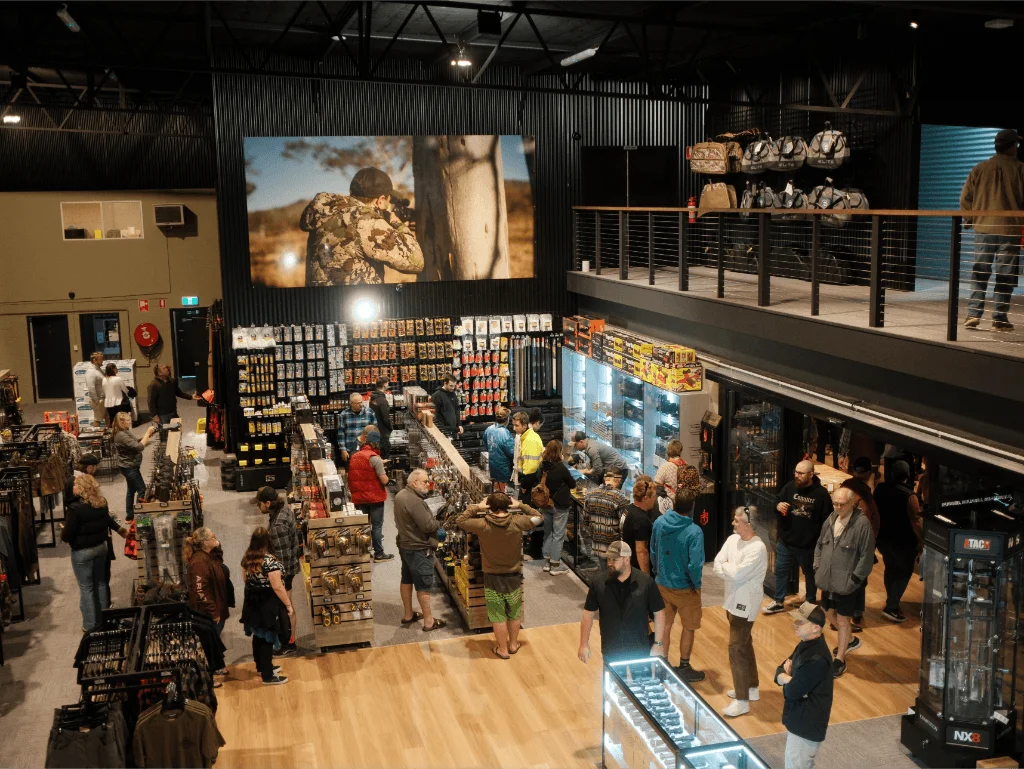
Venture Hunting’s Premium Outdoor Store, Springwood QLD Case Study
Dinya Shop Fittings supplied the complete retail display fitout for Venture Hunting's Springwood store — a premium two-level hunting, fishing, and outdoor destination in Southeast Queensland. The project included walnut slatwall gondolas, gridmesh panel displays, 1500mm glass display counters, and black shelving throughout both levels, creating a retail environment that matched the brand's premium outdoor positioning from day one.
18 Aug 2026
Types of Retail Counters by Function and Use Case
Most shops use one primary counter paired with a secondary unit: a cash wrap alongside a glassware display cabinet, or a service counter paired with a back-of-shop wrap station. The right combination depends on your transaction volume, product type and floor plan.
Read More Read Less
Cash Wrap Counter
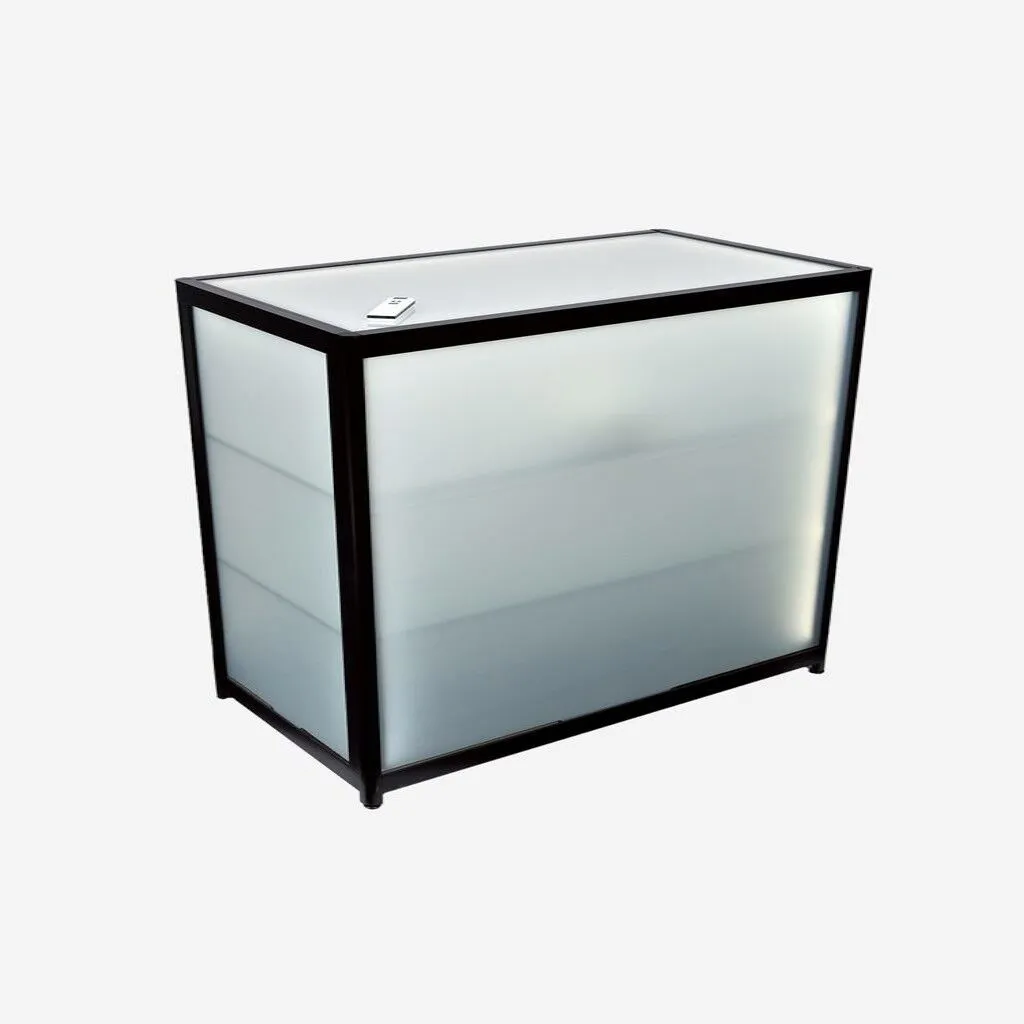
A transaction-focused retail counter that holds the POS, payment terminal, bag storage and impulse-buy display in one footprint. The standard starting point for most independent retailers.
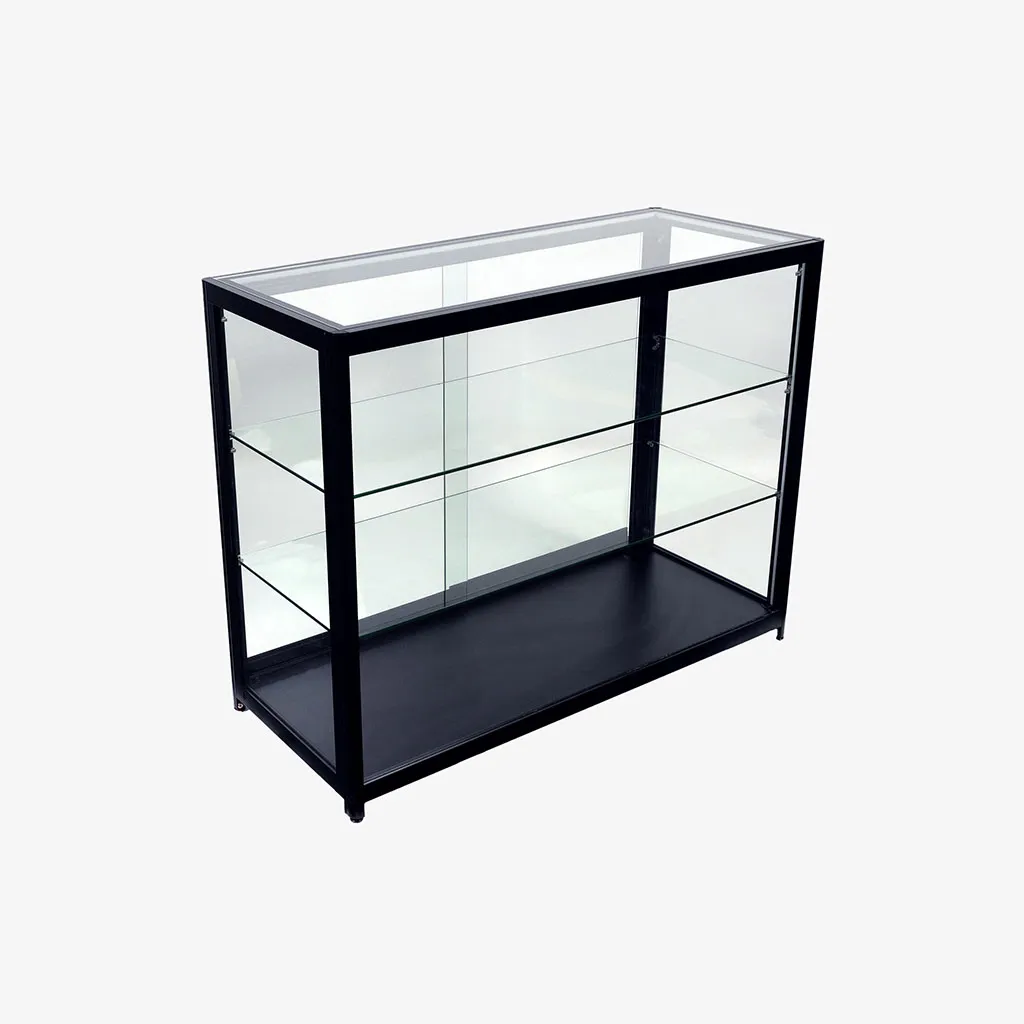
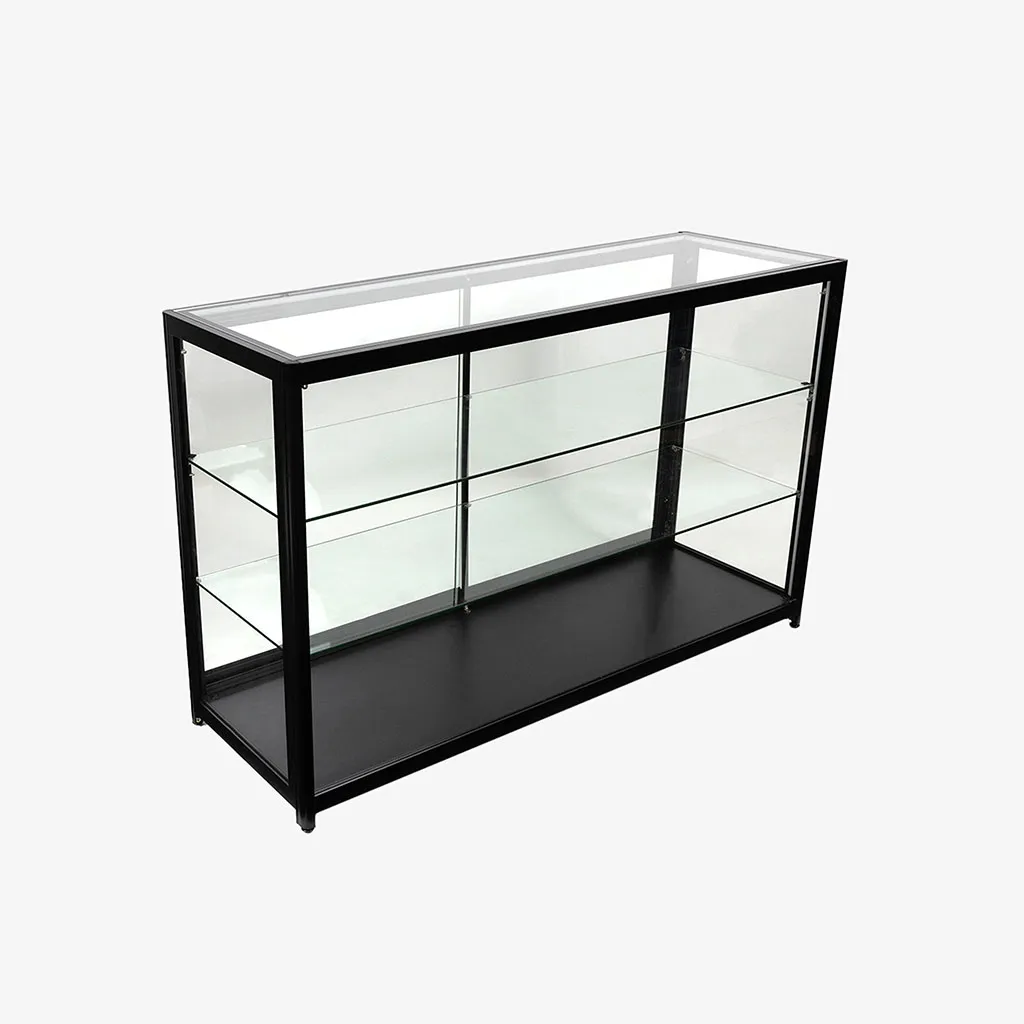
Glass Display Counter
A display-led retail shop counter built around a tempered glass top and front to showcase products while keeping them secure. Widely used in jewellery, optical and bakery retail alongside glass shelves for tiered height behind the bench.
Service Counter
A non-transactional retail counter that handles enquiries, fitting, click-and-collect or returns without holding the till. Typically taller (1050–1100mm) to suit standing consultations.
Reception Counter
A first-contact retail store counter positioned at the shop entry to greet customers, take bookings or direct foot traffic. Standard in salons, clinics and gyms.
Checkout Counter
A high-throughput shop counter built for fast scan-and-bag transactions, usually one of several lanes. A powder-coated steel frame with a laminate top is the most common build.
Jewellery Display Counter
A high-security retail counter built to hold small, high-value items behind tempered glass with lockable rear access. Usually paired with internal LED lighting and acrylic risers to create tiered product height inside the case.
Bakery and Food Counter
A food-safe display retail counter with refrigerated or ambient glass display and a stainless steel work zone. Used in bakeries, delis and takeaway retail.
Pharmacy Counter
A regulated-use retail counter with a consultation zone, dispensing window and lockable scheduled-medicine storage. Height (1050mm) and knee clearance are typically AS 1428.1 compliant. Pairs well with retail pharmacy shelving behind the bench.
Boutique and Fashion Retail Counter
A design-led store counter where the front panel functions as a brand statement piece. Feature veneer, 2-pac painted or fluted finishes are common in fashion and beauty.
Wrap-around Counter
A U-shaped or partial-island retail counter that surrounds the staff member on three sides, suited to two-queue service zones in hardware or large-format retail.
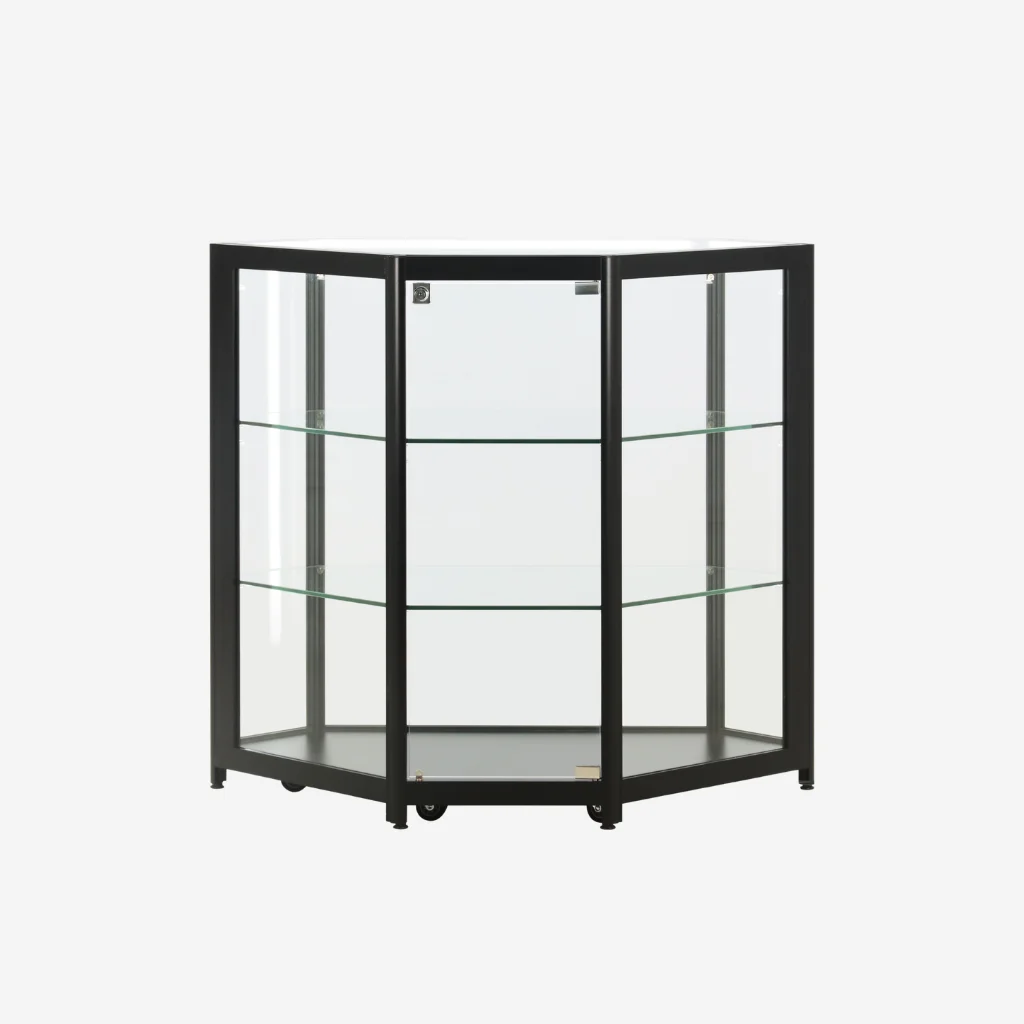
L-shaped Counter
A two-axis retail counter that runs along a wall and turns 90° into the shop, separating two functions, typically POS and display, on one connected footprint.
Modular Retail Counter
A panel-based shop counter built from interchangeable modules that can be reconfigured as the shop layout changes. The lowest entry price point and the most flexible option for pop-ups and growing stores.
| Type | Typical Shop Use | Standard Width (mm) | Standard Height (mm) | Common Material | Storage Capacity | Price Range (AUD) | Best For |
|---|---|---|---|---|---|---|---|
| 1. Cash wrap | Fast retail transactions | 1200–1800 | 900–950 | Timber laminate + steel frame | High | $650–$1,800 | Fashion, gift, convenience |
| 2. Glass display | Display of high-margin product | 1000–1500 | 900 | Tempered glass + timber base | Medium | $750–$2,200 | Optical, watch, bakery |
| 3. Service | Enquiry, returns, click-and-collect | 1500–2400 | 1050–1100 | MDF + laminate | Medium | $550–$1,400 | Pharmacy, hardware, sports |
| 4. Reception | First-contact greeting | 1500–2000 | 1050 | Timber veneer or 2-pac MDF | Low | $900–$2,500 | Salon, clinic, gym |
| 5. Checkout | High-volume scan-and-bag | 1500–2100 | 900 | Steel frame + laminate top | Medium | $700–$1,600 | Supermarket, hardware barn |
| 6. Jewellery display | Small high-value items | 900–1200 | 900 | Tempered glass + timber/steel | Low | $1,200–$3,500 | Jeweller, watch retailer |
| 7. Bakery and food | Refrigerated or ambient display | 1500–2400 | 900–950 | Stainless steel + tempered glass | Medium | $1,500–$4,500 | Bakery, deli, takeaway |
| 8. Pharmacy | Consultation and S4 storage | 1800–3000 | 1050 | Anti-microbial laminate | High | $1,400–$4,200 | Pharmacy, medical retail |
| 9. Boutique | Brand-statement front | 1200–1800 | 950 | Feature veneer or 2-pac | Low | $1,100–$3,200 | Fashion boutique, beauty |
| 10. Wrap-around | Two-queue service zone | 2400–4000 | 900 | Modular timber laminate | High | $2,200–$5,500 | Hardware, sports, large retail |
| 11. L-shaped | Wall-corner POS | 2000–3500 | 900 | Laminate panels | High | $1,400–$3,800 | Newsagent, gift, mid-size fashion |
| 12. Modular | Reconfigurable layout | 1200–4800 | 900 | Flat-pack melamine | Variable | $400–$1,800/module | Pop-up, kiosk, market |
Retail Counter Materials and Finishes
The material you choose affects how long the counter lasts, how it looks and how much it costs to maintain.
Melamine
A budget flat-pack option suited to pop-ups and temporary fit-outs. Durable for 5–7 years under light use, but chips at the edges under daily retail traffic.
Timber Laminate
The most common choice for independent retail. It handles 8–12 years of daily use, comes in a wide range of colours and finishes, and is the practical midpoint between cost and presentation.
Tempered Glass
Used for display sections rather than structural surfaces. It adds a premium finish and keeps the product visible and secure. Pair it with acrylic shelves or acrylic display and acrylic slatwall accessories inside the display section for tiered arrangements.
Powder-coated Steel
The most durable frame material, suited to high-traffic environments like supermarkets and hardware stores. Heavy, but it won't flex or rack over time.
Acrylic
Used for display inserts, sign holders and riser sections within the counter. Light, easy to clean and optically clear. Pairs well with an acrylic sign holder for pricing and product labelling at the counter surface.
| Material | Durability (Years) | Finish Quality | Weight per Linear Metre (kg) | Price per Linear Metre (AUD) |
|---|---|---|---|---|
| Melamine | 5–7 | Low | 18–22 | $80–$120 |
| Timber laminate | 8–12 | Mid | 22–28 | $130–$220 |
| Solid timber veneer | 12–18 | Premium | 24–32 | $250–$450 |
| Tempered glass | 10–15 | Premium | 14–20 | +$180–$350 over base |
| Powder-coated steel | 15–20 | Mid | 28–38 | $200–$320 |
| Acrylic | 4–6 | Mid | 10–14 | $90–$160 |
Retail Counter Dimensions and Standard Sizes
Standard retail counter height is 900mm for transaction and display surfaces, and 1050mm for consultation and service counters. The difference matters: 900mm is comfortable for a standing transaction, while 1050mm creates a natural barrier that signals a service interaction rather than a sale.
Depth runs from 500mm for narrow display counters to 750mm for checkout lanes that need a full bagging area. The standard for most retail cash wraps is 600–700mm.
Width starts at 1000mm as a practical minimum and runs to 1800mm for a standard cash wrap. Wrap-around and L-shaped configurations can span 2400mm and beyond.
Where accessibility is required, AS 1428.1 specifies a knee clearance section of at least 850mm high × 800mm wide × 500mm deep. Reception and pharmacy counters include this as standard; other counter types can be specified with an accessibility add-on.
| Counter Type | Height (mm) | Width Range (mm) | Depth (mm) | Knee Clearance Section | AS 1428.1 Compliant |
|---|---|---|---|---|---|
| Cash wrap | 900–950 | 1200–1800 | 600–700 | Optional add-on | On request |
| Glass display | 900 | 1000–1500 | 500–600 | Not standard | No |
| Service | 1050–1100 | 1500–2400 | 650 | Optional add-on | On request |
| Reception | 1050 | 1500–2000 | 500 | Standard | Yes |
| Checkout | 900 | 1500–2100 | 750 | Standard at one lane | Partial |
| Jewellery display | 900 | 900–1200 | 500 | Not standard | No |
| Bakery and food | 900–950 | 1500–2400 | 650 | Optional add-on | On request |
| Pharmacy | 1050 | 1800–3000 | 650–750 | Standard | Yes |
| Boutique | 950 | 1200–1800 | 550 | Optional add-on | On request |
| Wrap-around | 900 | 2400–4000 | 600 | Standard on one face | Yes |
| L-shaped | 900 | 2000–3500 | 600 | Optional add-on | On request |
| Modular | 900 | 1200–4800 | 600 | Module add-on | Yes |
Design Features Worth Building In
- Storage layout: staff reach is 400mm forward and 300mm down from the standing position. The most-used items (bags, receipt rolls, returns slips) belong in that zone. Drawers deeper than 450mm are rarely worth the cost.
- POS integration: build in concealed conduit, grommeted cable holes, a terminal arm and a receipt-printer well at the design stage. Retrofitting these later typically costs $200–$400 AUD per counter.
- Lighting: 3000K LED suits jewellery counters; 4000K works for fashion and bakery. Target 2,200 lumens per linear metre with counter-top downlights at 500–700 lux.
- Customer-side display: a 150–200mm ledge at 750–850mm height is enough to hold confectionery, gift cards, magazines and sample-size products at the point of transaction. Pair it with display stands and a slat wall panel behind the counter for a complete impulse-buy zone.
How to Choose the Right Retail Counter for Your Shop
Step 1: Function
Decide whether the counter's primary job is transaction processing, product display or service consultation. That determines the height, depth and storage configuration before anything else.
Step 2: Footprint
Measure the available floor space and mark out where staff will stand, where customers queue, and where the POS and bagging area need to sit. A counter that blocks natural traffic flow will cause problems daily.
Step 3: Material and Budget
Match the material finish to how long you plan to use the counter and how hard it will be used. Timber laminate covers most retail applications at a practical price; veneer and 2-pac are worth the premium for permanent boutique fit-outs.
Step 4: Standard or Custom
Standard widths (1200mm, 1500mm, 1800mm) suit most floor plans and dispatch faster. Non-standard dimensions, curved fronts or integrated refrigeration go through customised shopfitting solutions, with quotes returned within 24 hours.
Retail Counter Installation and Delivery
A standard pre-built retail counter takes 1–3 hours to install. A custom-built counter with integrated glass, lighting and POS prep takes 4–8 hours, depending on counter size, number of glass sections, conduit routing, and whether an accessibility section is included.
Dinya Shopfittings installs Melbourne metro counters as part of the build price. Pre-assembled counters freight Australia-wide with assembly instructions or an installer referral included.
On-site requirements: clear floor space, power within 2m for tools, and a minimum 1200mm doorway clearance for a fully assembled 1500mm counter.
Get Started with Dinya Shopfittings Today
Still working out which retail counter suits your store? The Dinya team is happy to help you find the right type, size and finish for your fit-out.
Browse online, get in touch, or come into the Melbourne showroom and see the range for yourself. Custom sizes quoted within 24 hours.
Frequently Asked Questions About Retail Counters
The most common issues are edge chipping on low-grade melamine, drawer slides that fail under daily use, and front panels that rack or bow when the frame isn't properly braced. Cheap counters also rarely include POS prep, so retrofitting cable management and terminal mounts adds cost quickly. For any permanent fit-out, mid-range timber laminate is a more reliable starting point than flat-pack melamine.
Modular counters can be disassembled and reassembled in a new position without damage. Pre-built counters can generally be relocated intact if they're not fixed to the floor, though glass display sections require care during the move. Custom-built counters with integrated lighting or refrigeration are typically designed for a fixed location and are harder to relocate without specialist help.
Wipe laminate and veneer surfaces daily with a damp microfibre cloth and mild detergent, and avoid abrasive cleaners that dull the finish. Clean glass display sections with a glass cleaner and soft cloth. Check drawer slides and hinges every six months and apply a dry lubricant if they start to stick. For stainless steel food counters, use a food-safe stainless cleaner and always wipe in the direction of the grain.
A retail shop counter is a broad term covering any service fixture in a shop. Cash wraps, display counters, checkout lanes and service desks all fall under it. A reception counter is a specific type: a first-contact fixture positioned at the entry of a business to greet visitors and manage bookings, typically taller (1050mm) and without the transaction-focused storage of a cash wrap. In retail, reception counters are most common in salons, clinics and gyms where the first interaction is a booking rather than a sale.
- Search Recommendations:
-
No Recommended Search Found
-


- Shopfittings By Range
- Acrylic Display
- Black on Black Series
- Clearance
- Clothes Racks
- Glass Display Cabinets
- Glass Shelves
- Gondola Display Shelving
- Double Sided Plain Panel Gondola Shelving Modules
- Double Sided Slatwall Gondola Shelving Modules
- Double Sided Volcano Pegboard Gondola Shelving Modules
- Single Sided Metal Slatwall Gondola Shelving Modules
- Single Sided Plain Panel Gondola Shelving Modules
- Single Sided Volcano Pegboard Gondola Shelving Modules
- Gondola Display Shelving Components
- Gondola Shelving Accessories

- Hanging Accessories
- Pegboards
- Pegboard Hook & Accessories
- Shop Counters
- Slatwall and Pegboard Baskets
- Slatwall Accessories
- Slatwall Extrusions and Trims
- Slatwall Gondolas
- Slatwall Hooks
- Slatwall Panels
- Slatwall Shelving and Brackets
- Wood Slat Wall
- New Products
- Shopfittings By Industry
- Inspiration & Ideas
- Dinya Digital
- Resources
- Custom Shopfitting Solutions
- Case Studies
- Blogs
- About Us
- Contact Us